
- Details
- Carl
- News
Critical PHP vulnerability takes Dutch websites offline
Critical security advisory · CVE-2026-109618 & CVE-2026-109619 · CVSS v4.0 9.2 / 10
This morning DigiD went dark. MijnOverheid, the Tweede Kamer, RTL Nieuws and Tweakers followed. In Belgium, every Flemish government website went offline. Even the Dutch National Cyber Security Centre pulled its own website.
None of these sites were hacked. They switched themselves off.
What's going on
The PHP security team announced two critical vulnerabilities, both rated 9.2 out of 10. Both allow remote code execution: an attacker can run their own code on your server. From there they can steal data, wipe the site, or plant a backdoor to use later.
This is not a bug in a plugin or a theme. The flaw sits in PHP itself, the language that runs on 69.3% of all websites, including the most popular website and webshop platforms. Keeping your plugins up to date does not protect you here. Only the server can be fixed.
Temporary workarounds circulating online reduce the risk but don’t remove it. Only updating PHP itself is a complete fix.
The fix was released on Wednesday 21 October 2026 at 14:00 UTC (10:00 Curaçao, 16:00 Netherlands).That is also the moment attackers learned exactly what to look for.
Cloudflare reported first attack attempts. The Dutch NCSC hasn't confirmed active exploitation yet. Either way, the window between "fix available" and mass scanning is measured in hours. Organisations with full IT departments chose to go offline rather than take the risk, and CERT-EU advised the same for anyone who can't patch immediately.
- Details
- Carl
- News
secure your website
Prevent security warnings
Starting January 2017 the Google Chrome browser (version 56) will show warnings on insecure websites that provide login functionality or process payment information.
In the near future Google wants to trigger these warnings for all insecure websites, and it is expected that other browsers will follow this example. So in order to prevent scaring your website visitors, it's recommended to secure your website.
- Details
- Carl
- News
Phishing Scams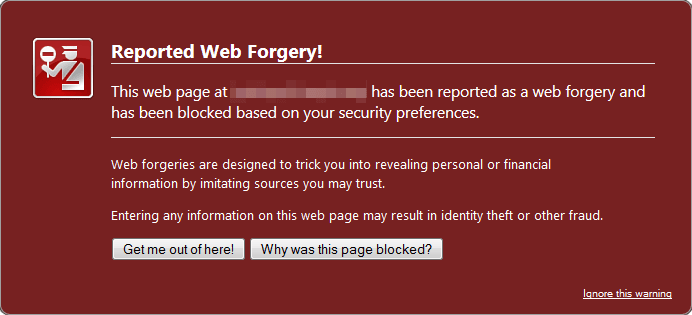
Phishing is a form of scam where the scammer builds a fake version of a popular website to fool people to enter their login details and harvest the information.
The fake site can look identical to the real one, but once you enter your information & submit it will be sent to the scammer instead, they will in turn use this information for nefarious purposes or sell it to spammers.
- Details
- Carl
- News
Mobilegeddon
April 21 Google mobile ranking update
Google the search giant is constantly updating it's search algorithms.
With mobile devices becoming more popular, people tend to browse the web more with these devices, most websites however are not responsive (mobile friendly)
The upcoming "mobilegeddon" update will have great impact on your website's ranking, if your website is responsive (mobile friendly) or has a mobile version it will be ranked higher.
If it doesn't however, your site ranking will decrease.
